
Top Game Viewing Tips from Kruger’s Game Rangers
Planning a self-drive safari in Kruger National Park? We asked Kruger’s Game rangers for their best game viewing tips — the little habits that can turn a normal drive into an unforgettable sighting.
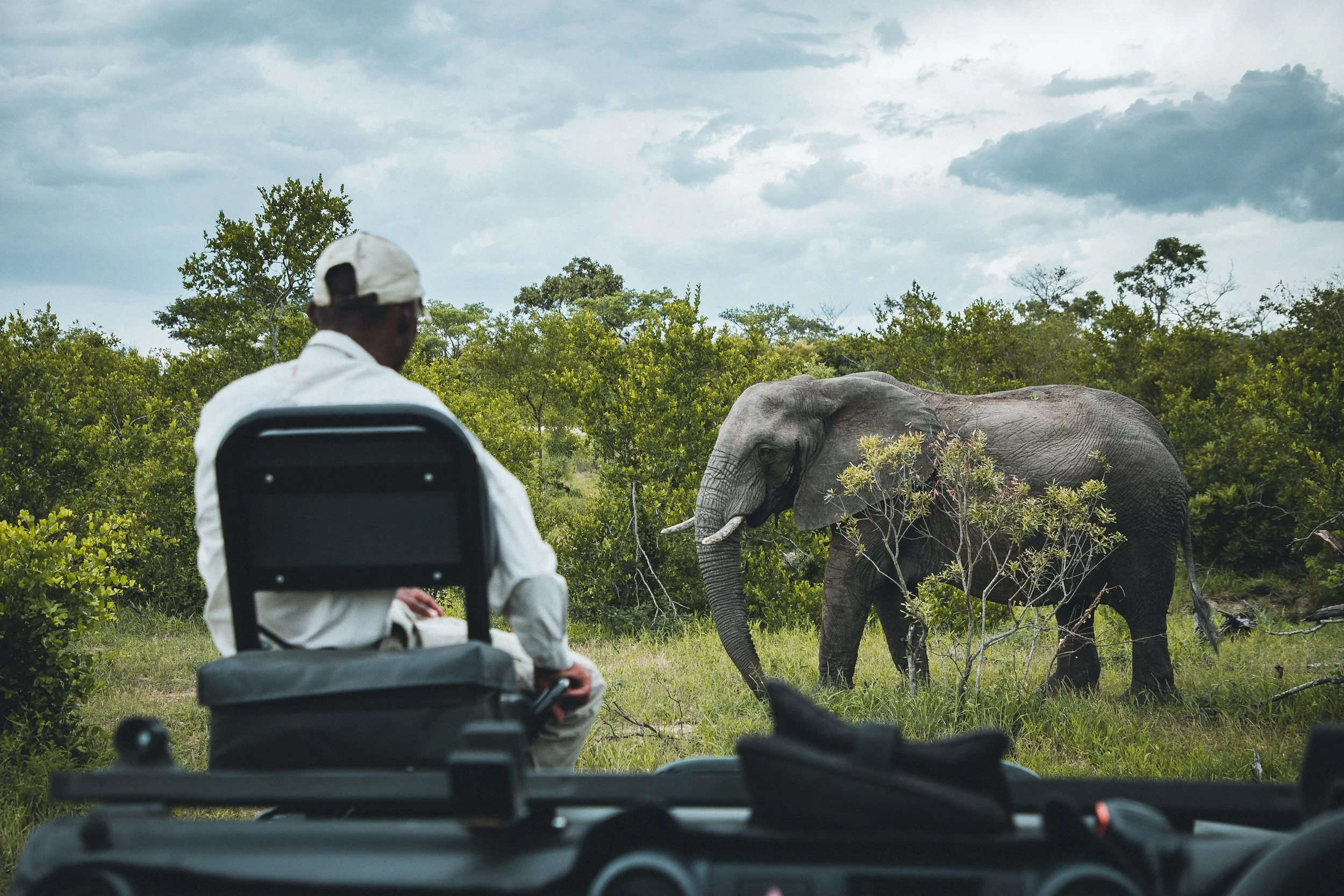
Kruger has a funny way of teaching you patience.
One minute you’re staring at an empty dirt road wondering where every animal has gone. The next, a flick of an ear, an alarm call, or a shadow in the thickets turns into the kind of sighting you’ll talk about for years.
That’s the magic of the bush. But the more time you spend in Kruger, the more you realise great game viewing is not just about luck. It’s about timing, patience, awareness, and knowing how to read the signs around you.
So, we asked Kruger’s experts for their best game viewing tips to help visitors get even more out of their Kruger safari.
Whether it’s your first trip or your fiftieth, these are the small things that make a big difference.
1. Start your game drives as early as possible
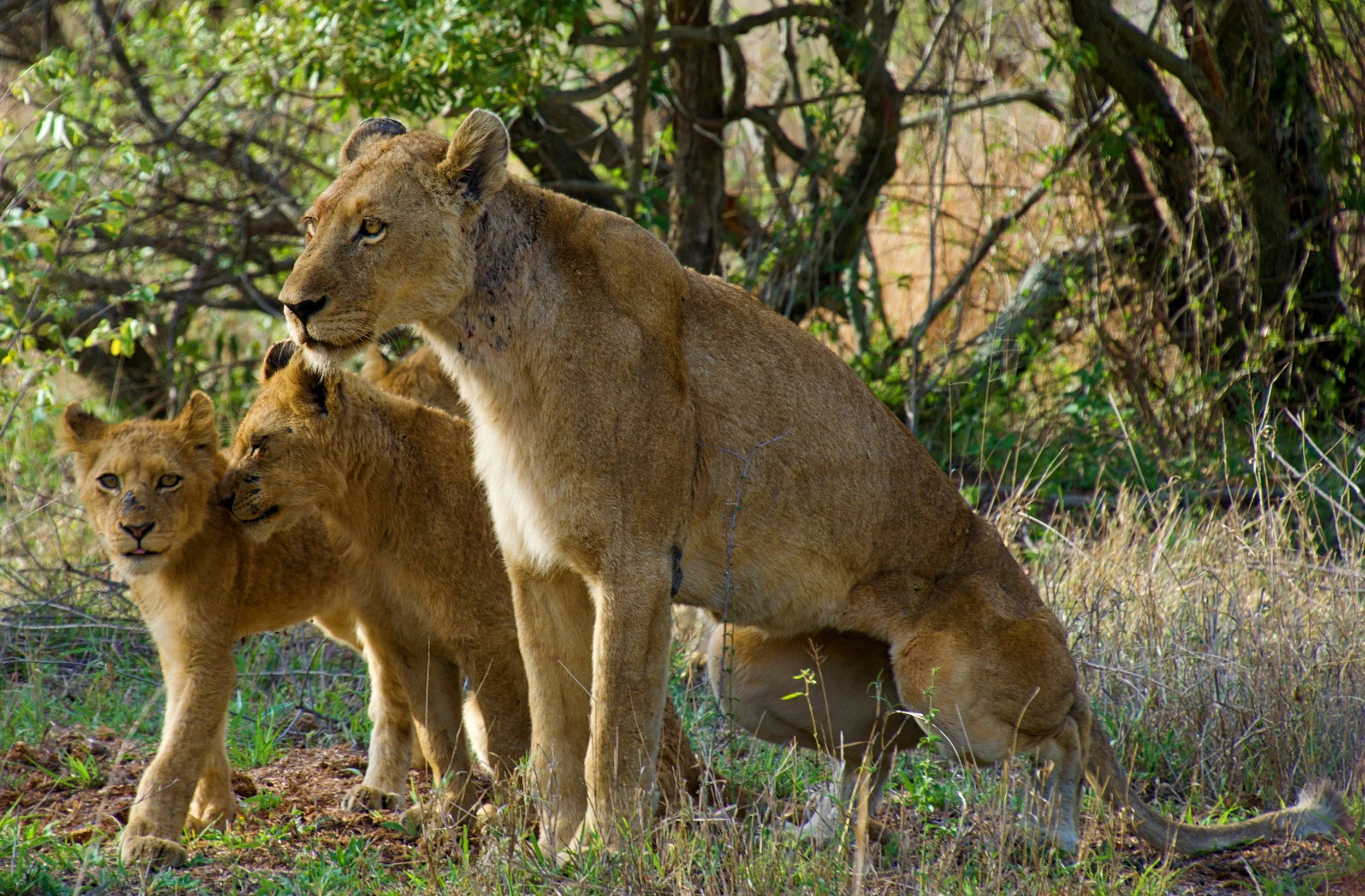
Tip from @tamsynwildlifephotography
“Start game drives as early as possible. Waking up early is worth every minute out there.”
There’s a reason the camp gates are busy before sunrise.
Early mornings are one of the best times to be out in Kruger. The air is cooler, the bush is quieter, and many animals are still active before the heat of the day settles in.
Predators may still be moving from the night before, elephants often start heading towards water, and birds begin calling from almost every direction. Even if you’re not a morning person, Kruger has a way of making a 4:30am alarm feel strangely exciting.
Safari Spotter tip: Download your offline map before your trip, check your nearest gate or camp routes, and plan your first drive the night before. Sleepy decisions and safari excitement are a chaotic little combo.
2. Learn the alarm calls of the bush
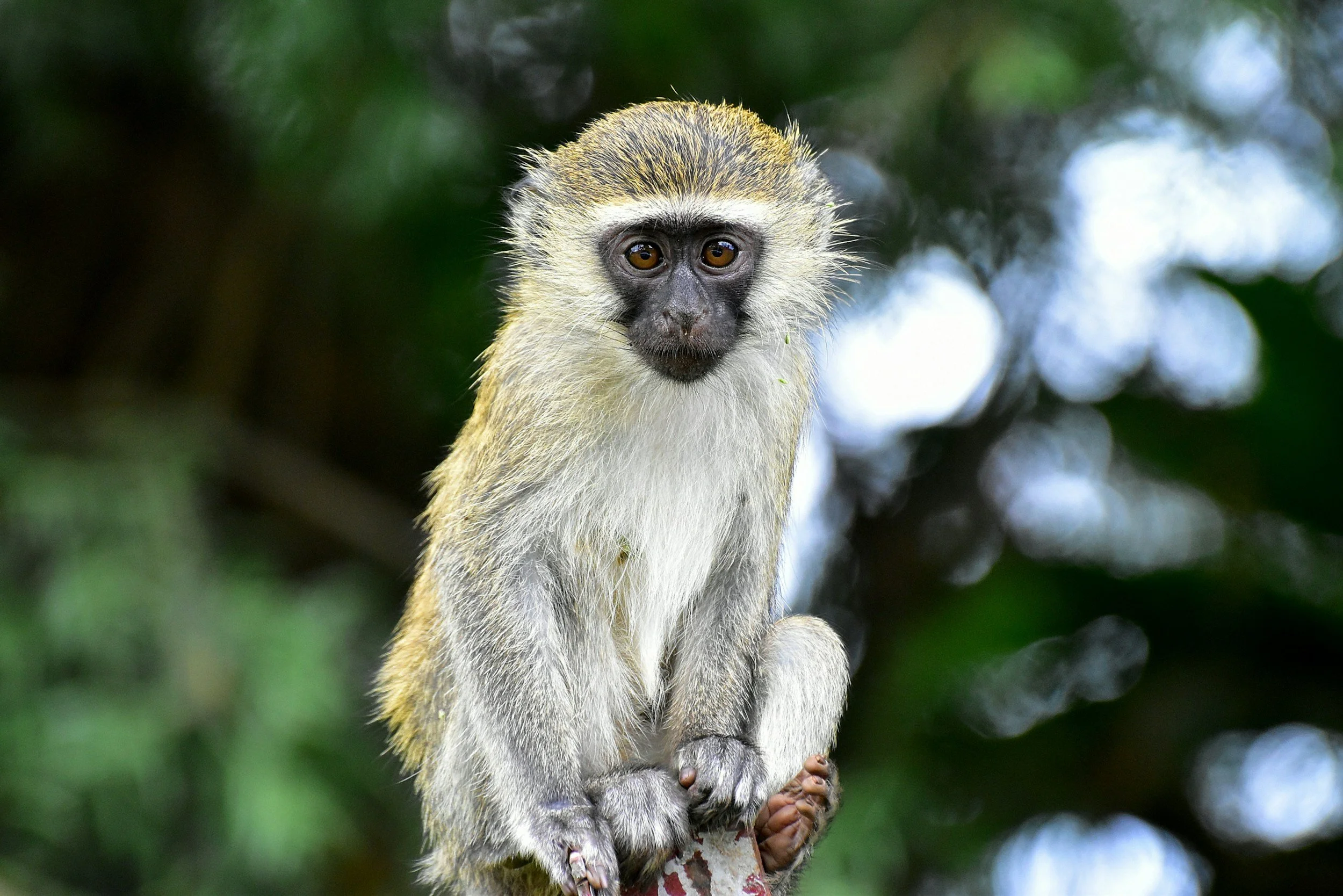
Tip from @sean_wildlife_guide
“Learn alarm calls of the bush like vervet monkeys, spurfowl and guinea fowl, which often indicate predators that are close by. Get to know their alarm calls so that when you hear them, you can slow down and scan thoroughly.”
The bush is always talking. You just need to know what to listen for.
Alarm calls are one of the most useful clues on a game drive. Vervet monkeys, impala, squirrels, spurfowl and guineafowl can all give away the presence of a predator. Sometimes you’ll hear the commotion before you see anything at all.
A sudden burst of frantic calling does not always guarantee a leopard or lion, but it should make you slow down, stop, and scan carefully.
Look into trees, under bushes, along drainage lines and behind termite mounds. Predators are masters of disappearing in plain sight.
Try this in Kruger: Next time you hear monkeys alarm calling from the same direction for more than a few seconds, stop the car, switch off the engine, and listen. The bush might be pointing you towards something special.
3. Focus on the smaller things
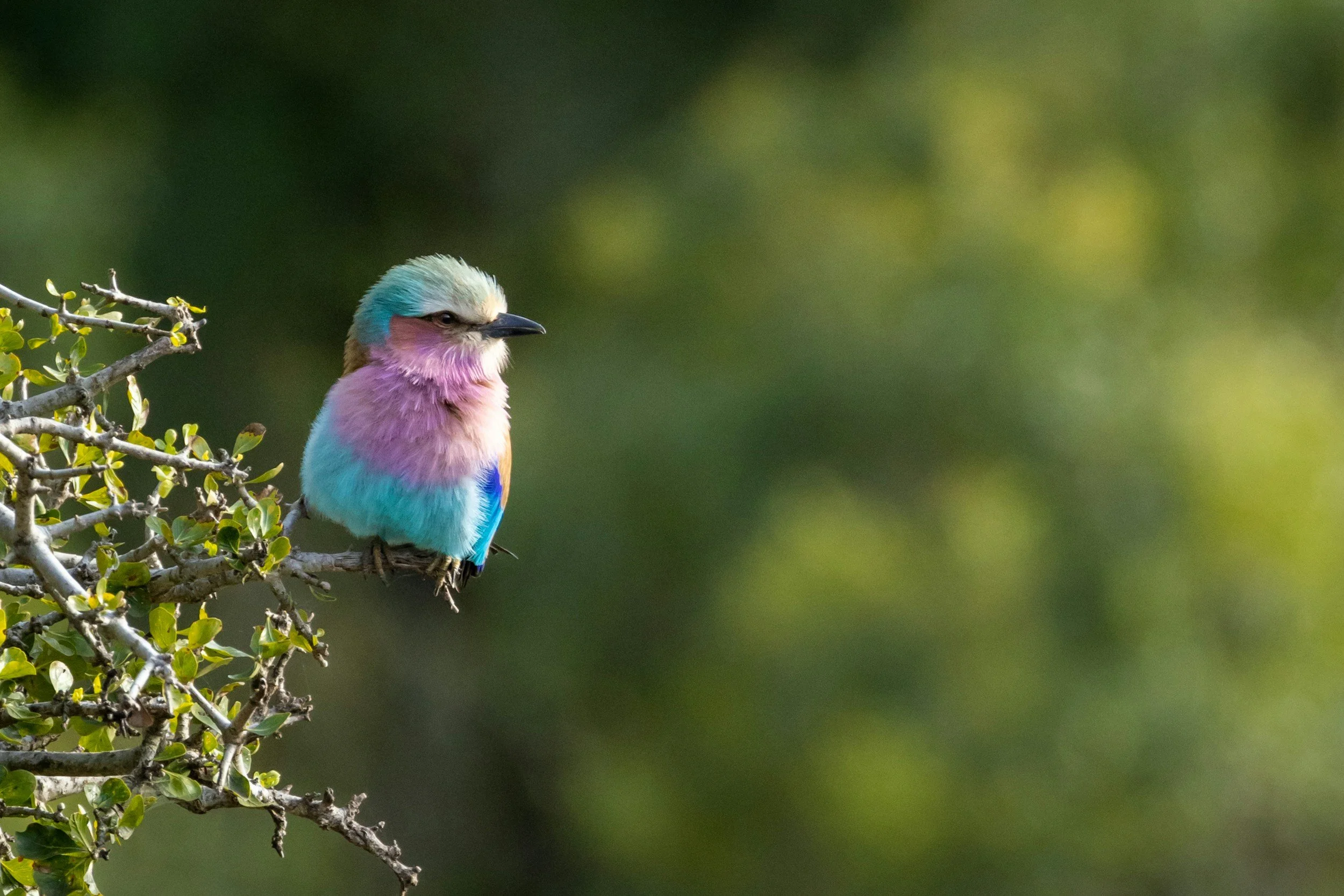
Tip from @ranger.cole
“Focus on the smaller things. Don’t rush from sighting to sighting chasing only the big game. Some of the most memorable parts of a safari are the smaller moments. Slow down, be patient, and take in the rhythm of the bush. The longer you observe, the more the wilderness begins to reveal itself.”
Everyone wants to see lions. Fair enough. Lions are lions.
But if you only chase the Big Five, you’ll miss half the magic.
Kruger is full of tiny dramas happening all around you. Dung beetles rolling their treasure across the road. Oxpeckers fussing over buffalo. A lilac-breasted roller flashing colour from a dead branch. A dwarf mongoose standing like a tiny security guard on a termite mound.
These smaller sightings often teach you more about the bush than the big-ticket animals do.
The best safari memories are not always the rarest ones. Sometimes they’re the quiet moments you actually took the time to notice.
4. Slow down and stop often
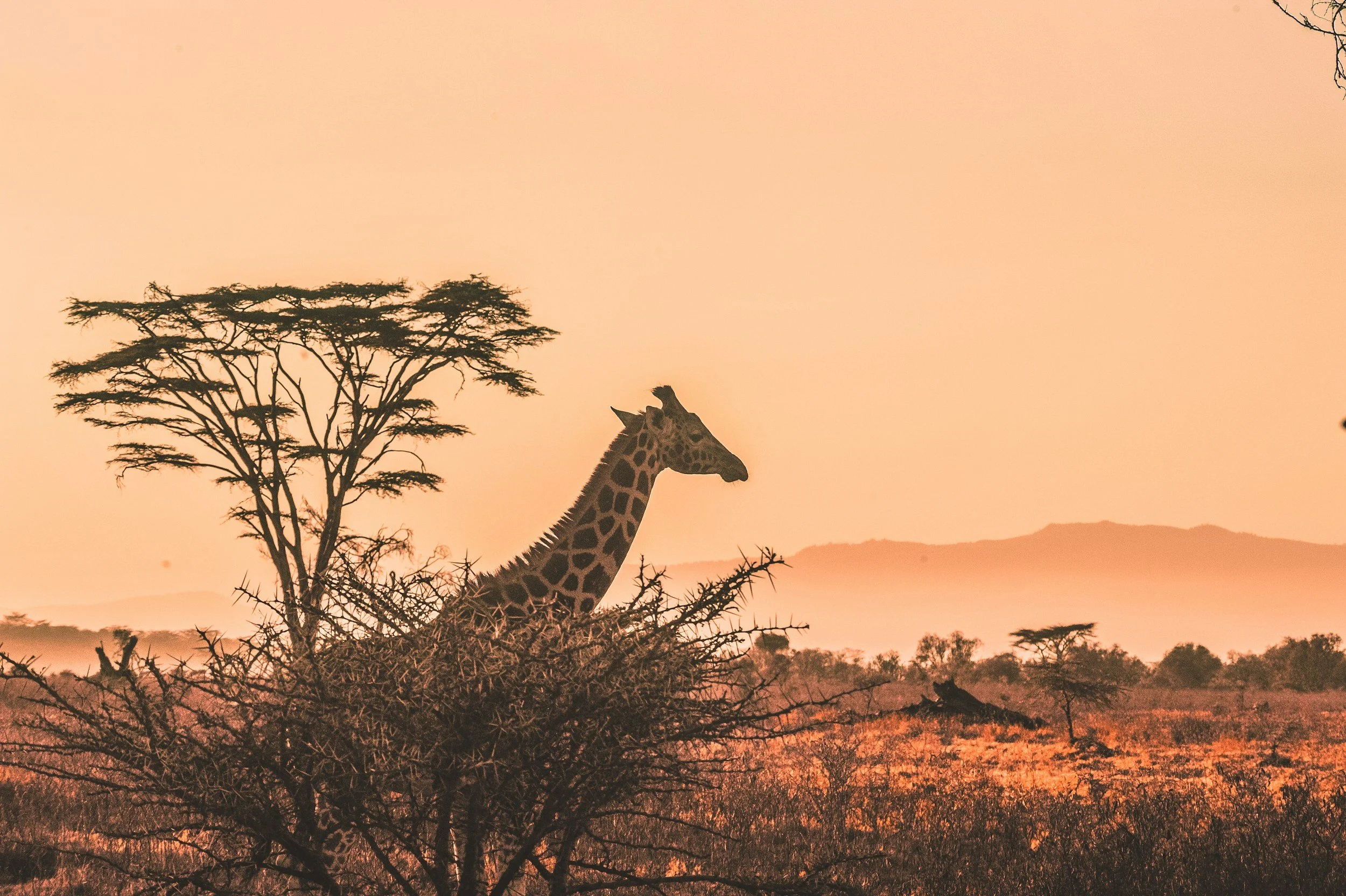
Tip from @your_favourite_ranger
“Slow down and stop often. Some of the most magical sightings aren’t found by covering ground — they’re waiting for the patient observer. Drop your speed, scan the tree lines and thickets, and resist the urge to keep moving. The bush rewards stillness.”
This might be the golden rule of Kruger self-driving.
If you’re driving too fast, you’re not game viewing — you’re commuting with zebras.
Many animals are missed because people are simply covering too much ground. Leopards melt into shade. Lions lie flat in long grass. Hyenas sleep in culverts. Elephants can somehow disappear behind bushes that look far too small to hide an elephant. Classic Kruger witchcraft.
SANParks lists Kruger’s speed limits as 50 km/h on tar roads and 40 km/h on gravel roads, but good game viewing is often much slower than that.
Try driving at a relaxed pace, stopping regularly, and scanning in layers:
First, check the road ahead.
Then scan the verges.
Then look deeper into the bush.
Then look again.
That second look is often where the magic is hiding.
5. Read your permit and know how to behave at sightings
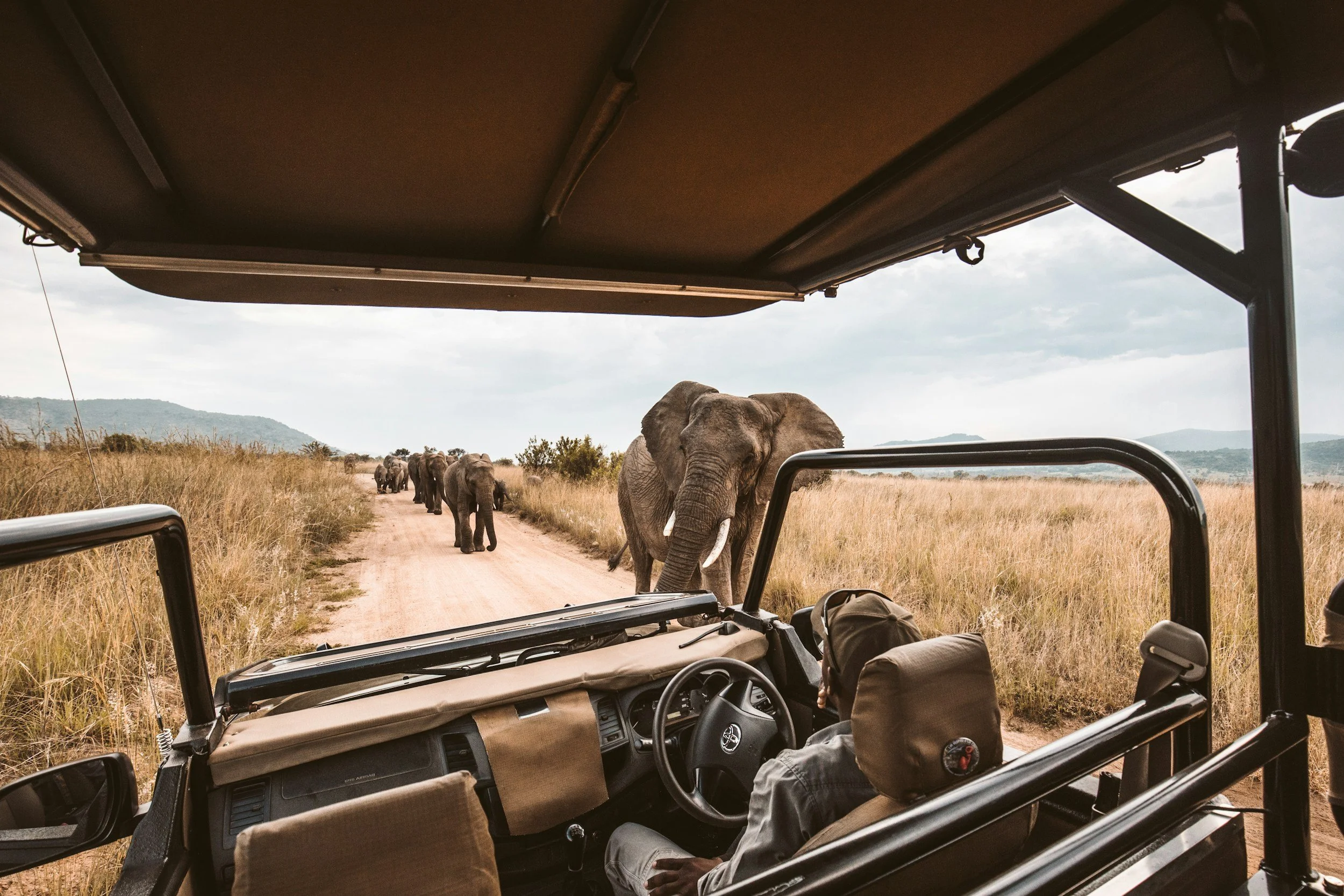
Tip from Juan Wildlife Photography
“Read your permit when entering the park. Way too many people don’t know how to act at a sighting!”
This one matters.
Every visitor gets important information when entering Kruger, and it’s there for a reason. Gate times, road rules, speed limits and sighting etiquette all help protect wildlife, visitors and the overall safari experience.
Good sighting etiquette makes a huge difference. Don’t block the road. Don’t push in. Don’t hang out of windows. Don’t pressure animals. Don’t shout. Don’t turn a leopard sighting into a parking-lot soup.
At busy sightings, patience and respect go a long way.
A good rule: if your car position would ruin the sighting for someone else, or stress the animal, move.
6. Scan the opposite way you normally read
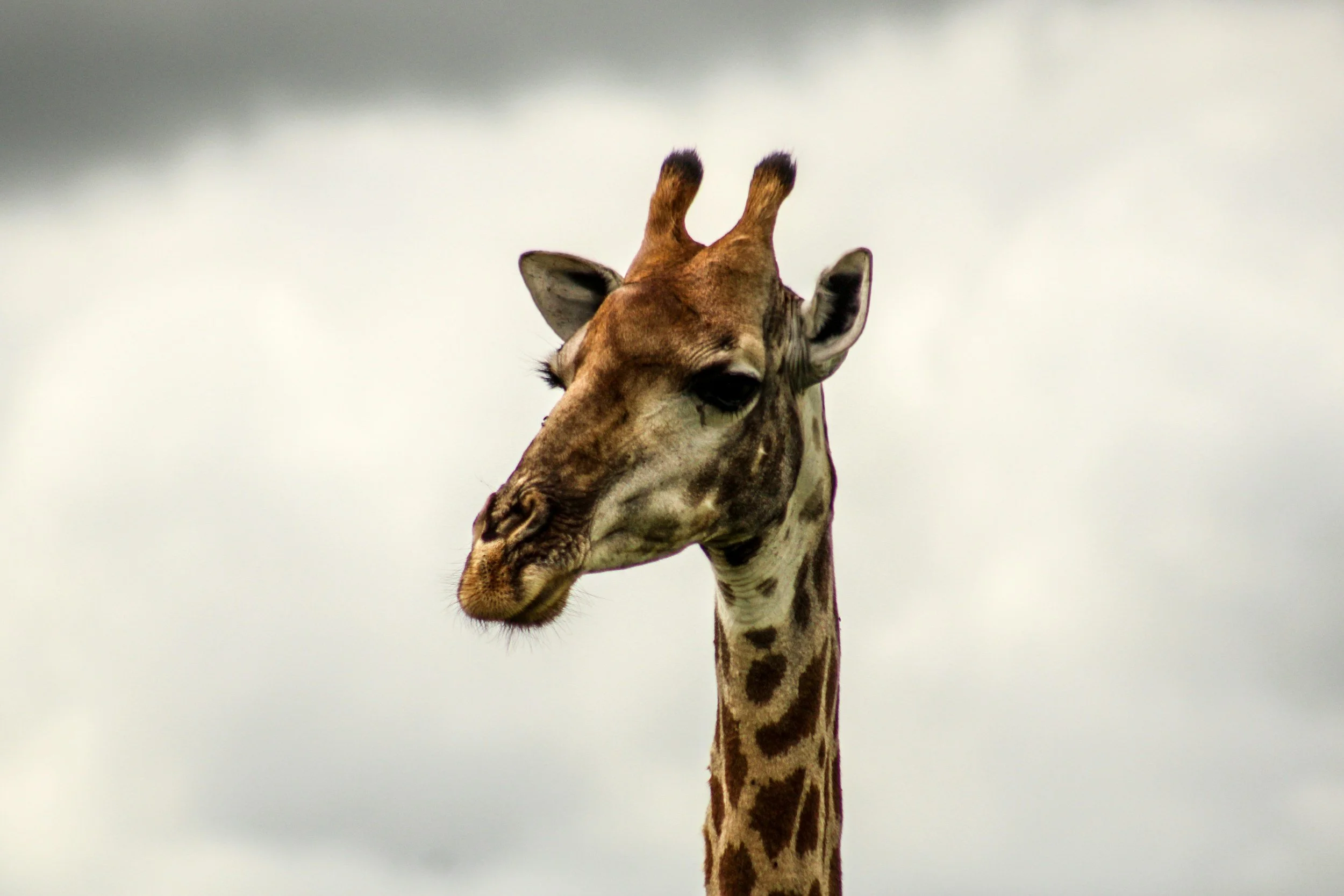
Tip from @armand_otto
“When scanning for animals, scan the opposite way you would be reading words. Your brain and eyes will pick up on things you usually won’t see.”
This is such a clever trick.
Most of us naturally scan from left to right because that’s how we read. But when you force your eyes to move the other way, your brain can become more alert to shapes, patterns and movement that it might otherwise skip over.
Try it next time you stop at a riverbed, open plain or thick patch of bush.
Scan slowly from right to left.
Look for shapes that don’t belong.
Horizontal lines.
Flicking ears.
A tail twitch.
A patch of colour.
A shadow under a bush.
Animals are rarely standing perfectly in the open like they’re waiting for a brochure shoot. More often, you’re looking for fragments.
A horn. A paw. A curve of a back. A face between branches.
7. Switch off your engine and listen
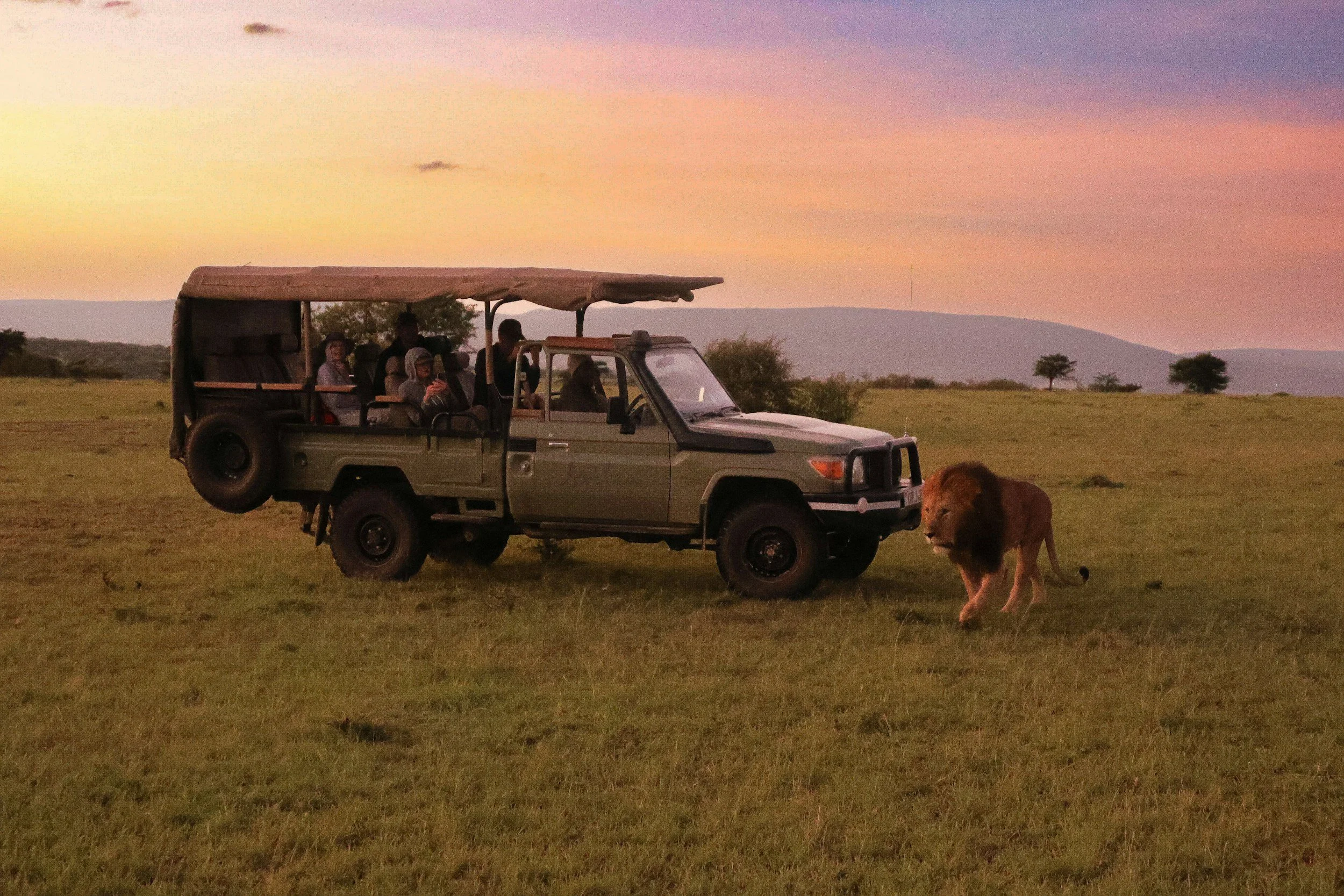
Tip from @hayley.a.myburgh
“Switch off your engine — the bush speaks in whispers.”
At sightings, turning off your engine makes a huge difference.
It’s calmer for the animals, better for everyone around you, and it gives you the chance to hear what’s happening. Lions may communicate with soft contact calls. Elephants rumble. Birds alarm. Leaves crackle. Something moves behind you.
With the engine running, you can miss all of it.
A quiet car turns a sighting into an experience. You’re not just looking at the bush anymore. You’re listening to it.
This is especially useful at predator sightings. Behaviour often tells you what might happen next. A lioness staring in one direction. Impala alarm calling nearby. Vultures dropping into a tree line. Hyenas listening with their heads raised.
The more you listen, the more the bush gives you.
How to get better sightings in Kruger
If there’s one theme running through all these tips, it’s this:
Slow down.
The best game viewing in Kruger often comes from doing less, not more. Less rushing. Less noise. Less chasing sightings. More listening. More patience. More curiosity.
Start early. Learn the sounds. Watch the small things. Respect the rules. Stop often. Scan properly. Switch off the engine.
Kruger will never guarantee you a sighting, and that’s part of what makes it special. But these habits give you a much better chance of being in the right place, at the right pace, when the bush decides to reveal something.
And when it does? That’s the moment you came for.
Make your next Kruger trip even better with Safari Spotter
Safari Spotter is designed to help families and wildlife lovers get more out of their time in Kruger National Park.
Use the app to:
Track the animals you’ve seen
Log your sightings with photos
Explore Kruger with an offline map
Learn more about the animals you spot
Unlock badges as you explore
Create your own safari memories as you go
Download Safari Spotter before your next Kruger adventure and turn every game drive into part of the story.
