The BEGINNERS GUIDE TO THE Kruger National Park
Everything that you need to know before your first visit.
The only man I envy is the man who has not yet been to Africa – for he has so much to look forward to."
Richard Mullin
WHAT IS THE KRUGER NATIONAL PARK?
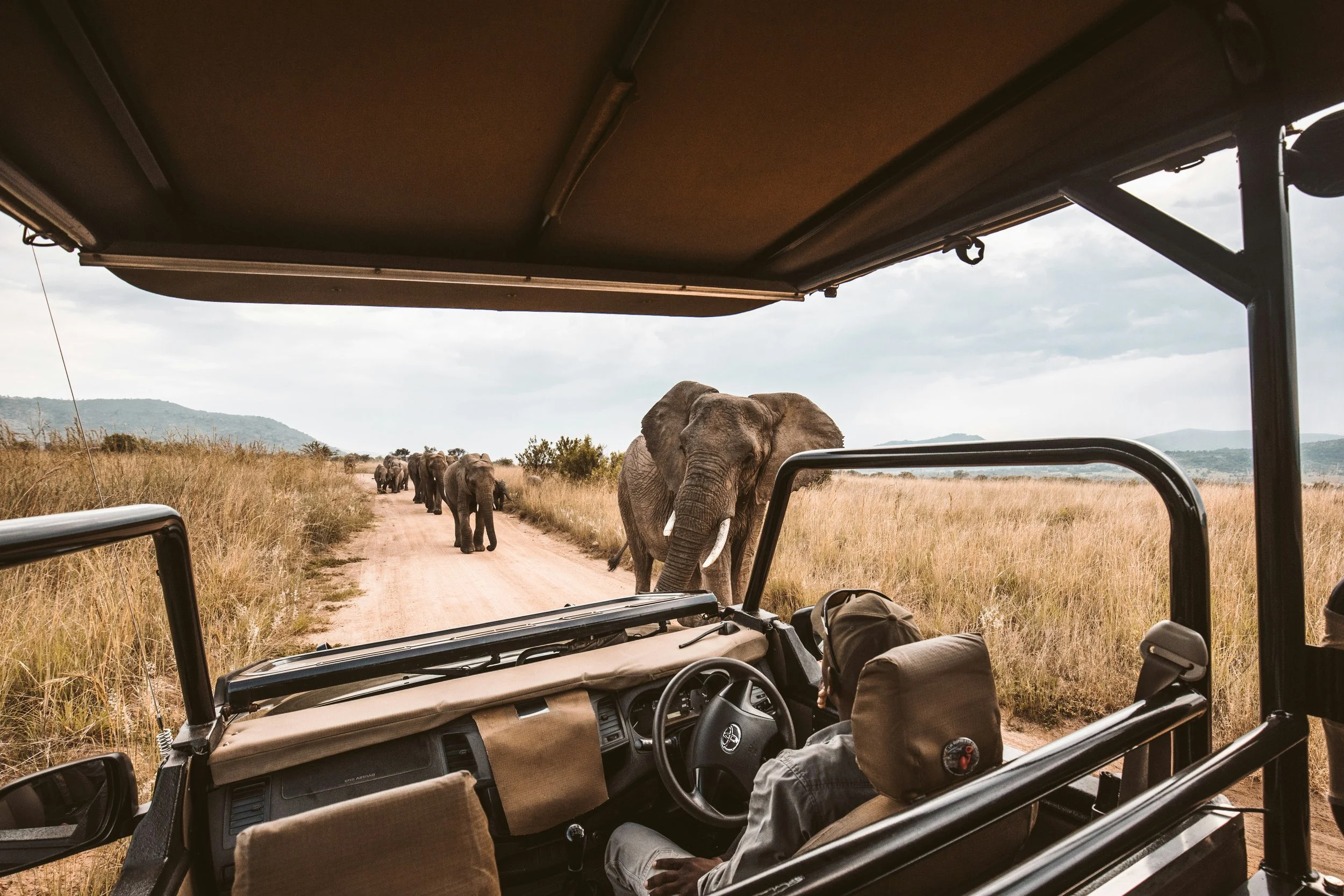
Kruger National Park is one of the world’s best-known wildlife destinations, welcoming well over a million visitors a year and standing as the flagship of South African National Parks.
Established in 1898, it covers almost 20,000 km² in the north-east of South Africa, protecting an extraordinary sweep of bushveld, river systems and open plains where wildlife still moves freely in response to water, season and instinct.
What makes Kruger so special is not only its scale, but the way people experience it.
With nine entrance gates, a well-developed road network and a wide choice of camps and viewpoints, it remains one of the few major safari destinations where visitors can explore for themselves with a real chance of seeing remarkable wildlife along the way.
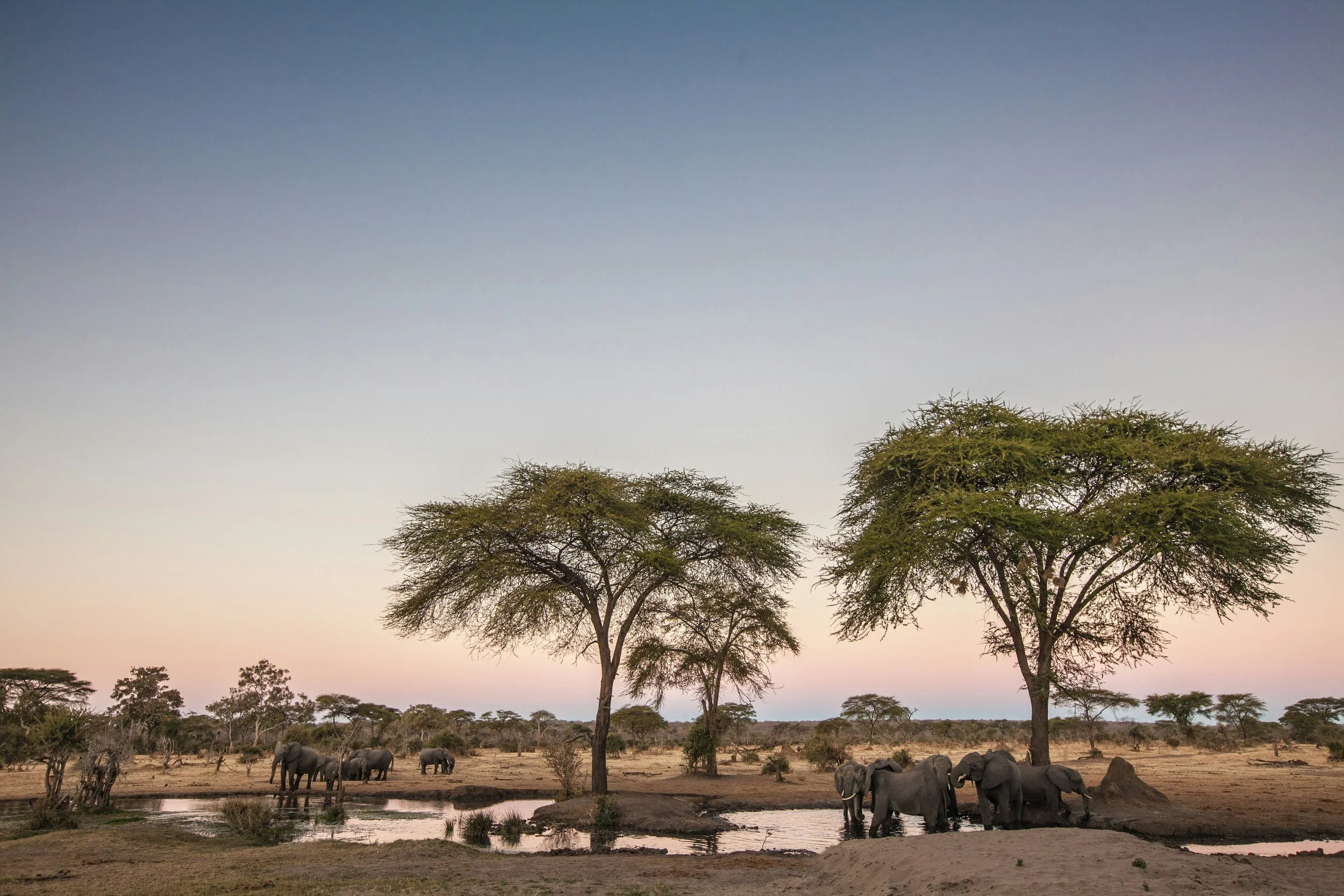
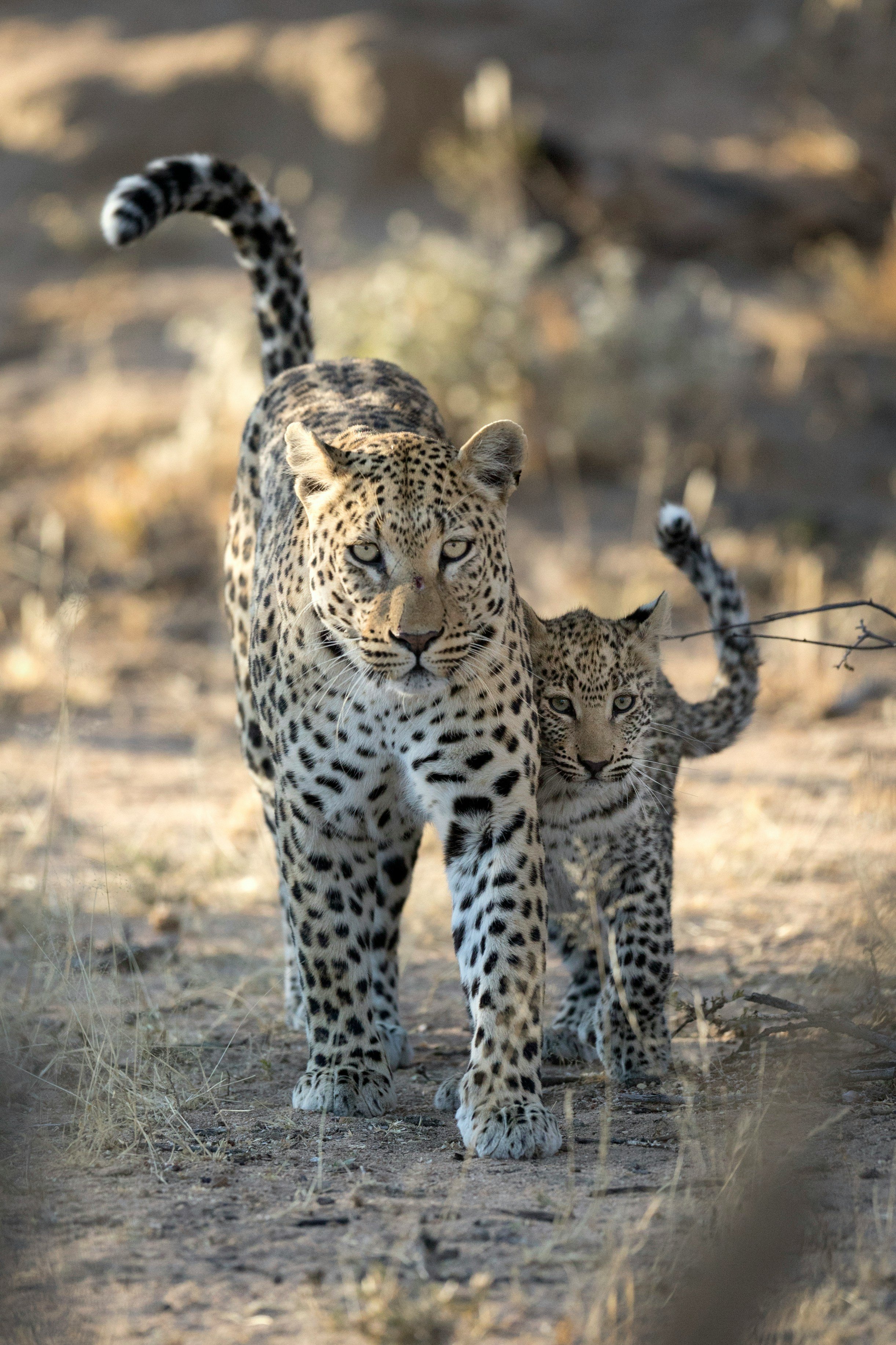
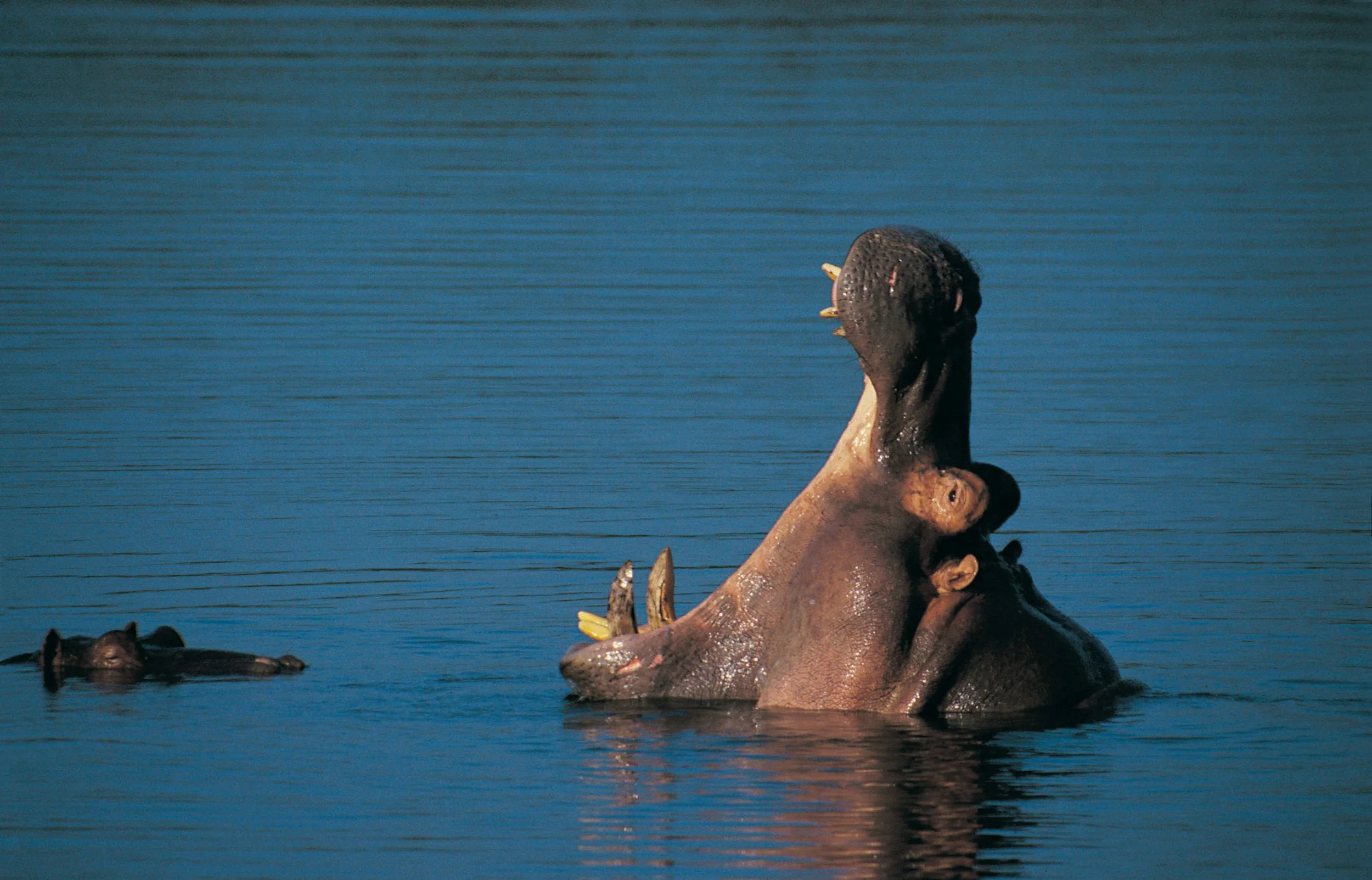
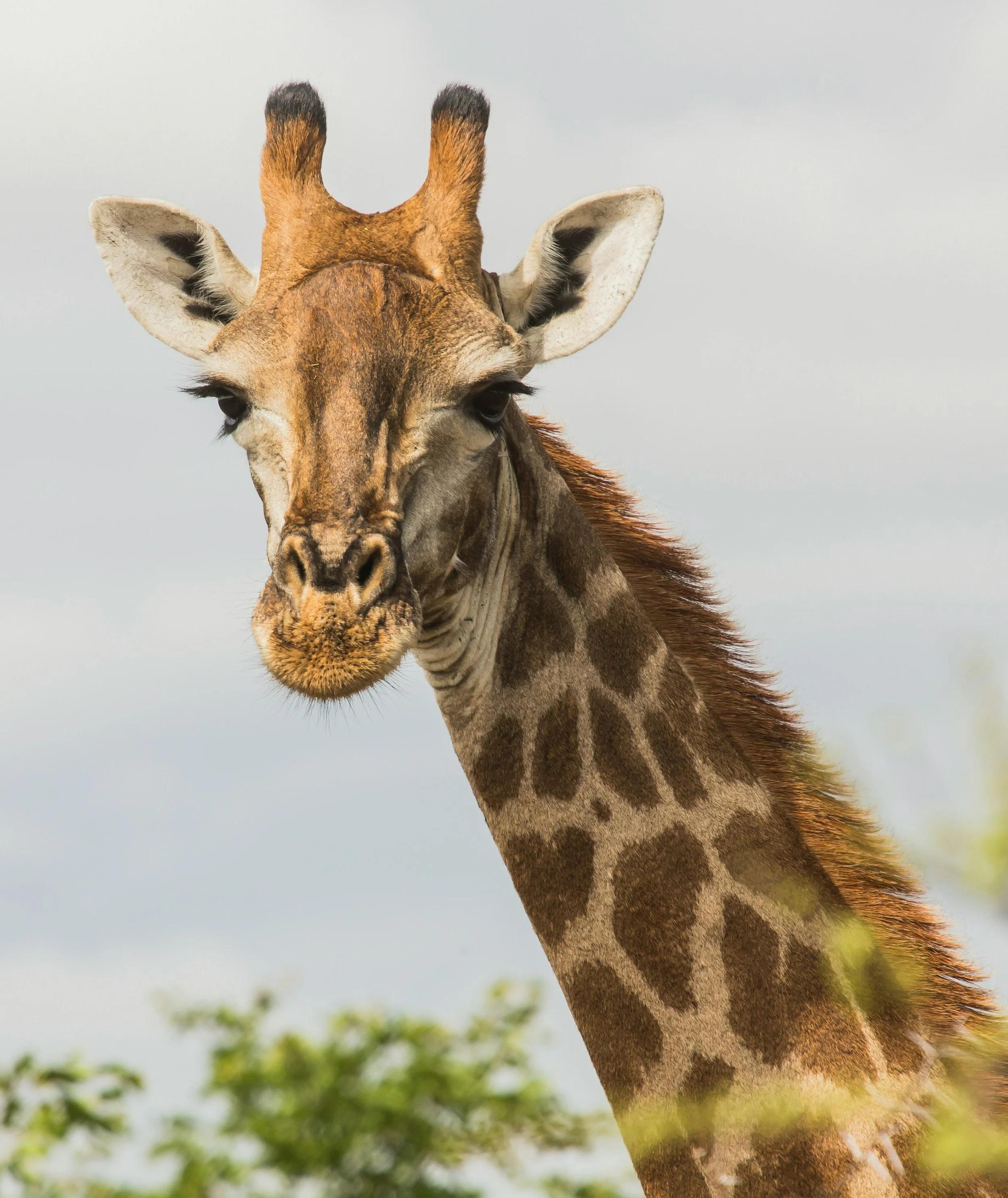
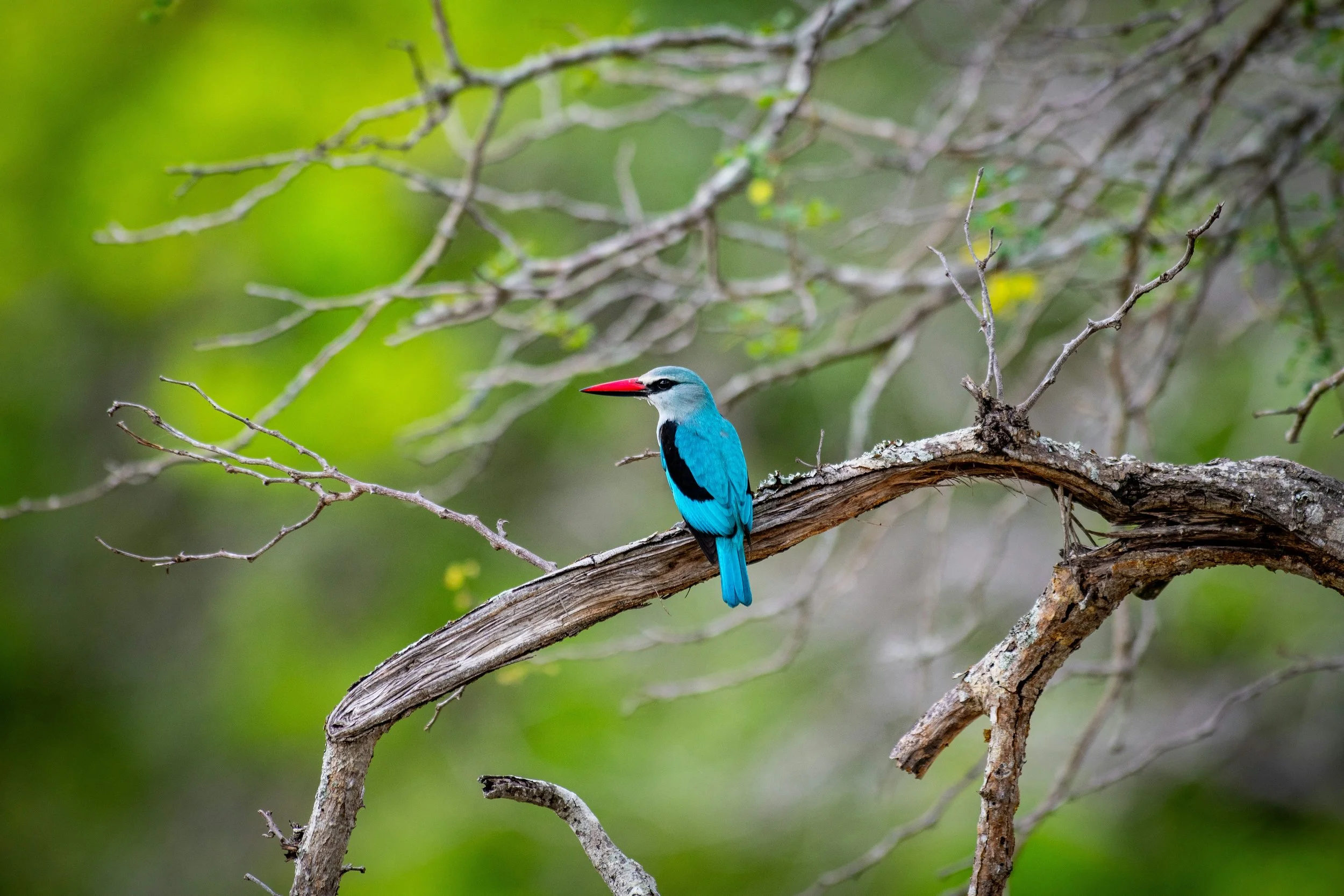
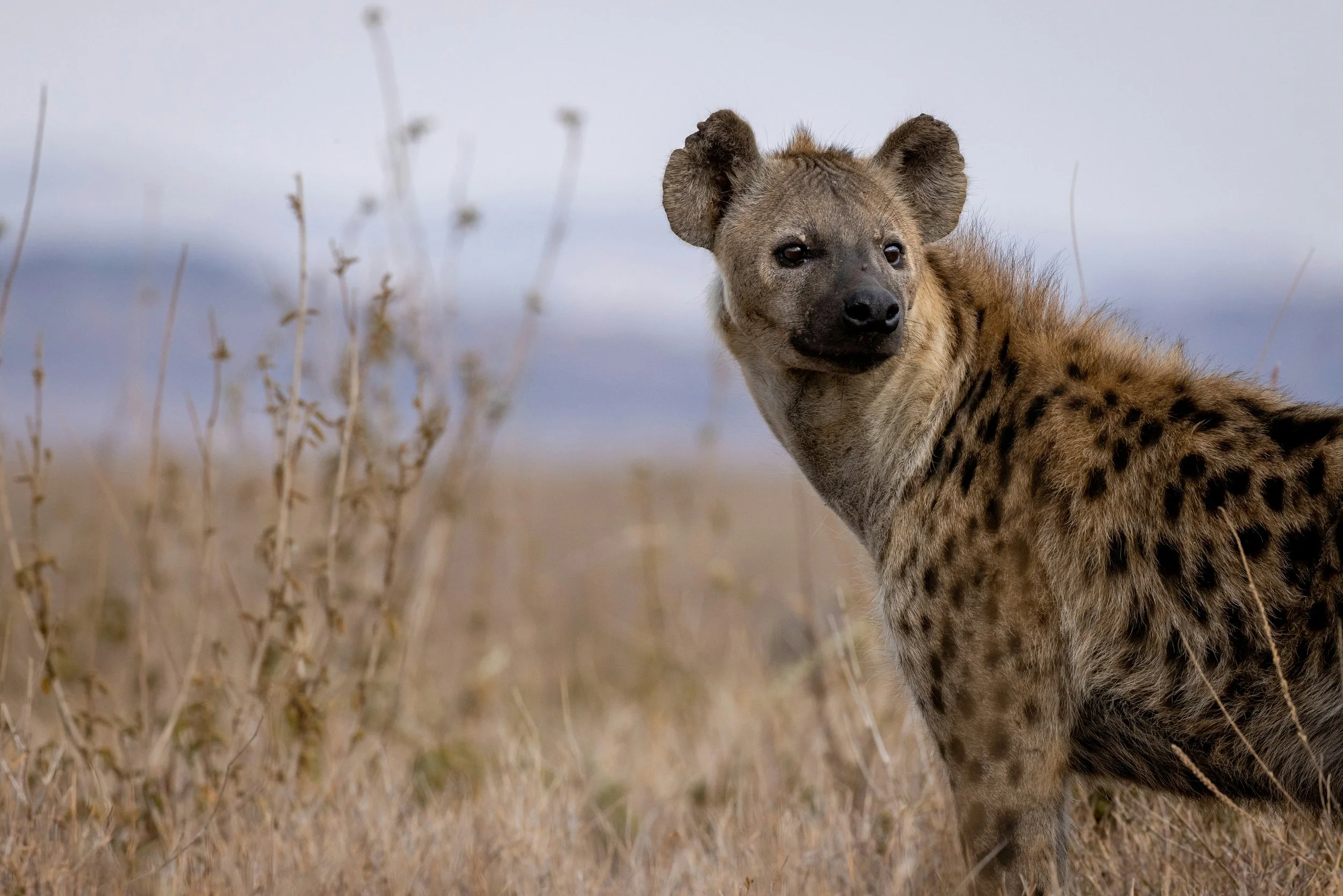
The park is home to 147 mammal species and 507 bird species, so a single drive can bring sightings of elephants, giraffes and zebras, as well as predators such as lions, leopards and wild dogs.
Where is Kruger National Park?
Kruger National Park lies in the north-east of South Africa, stretching across the provinces of Mpumalanga and Limpopo.
It covers 350 km from south to north along the border with Mozambique, forming one of the largest protected wildlife areas in Africa.
At its far northern end, near Crooks’ Corner, the landscape becomes even more distinctive. In this remote corner of the park, South Africa, Mozambique and Zimbabwe meet.
How BIG IS THE KRUGER
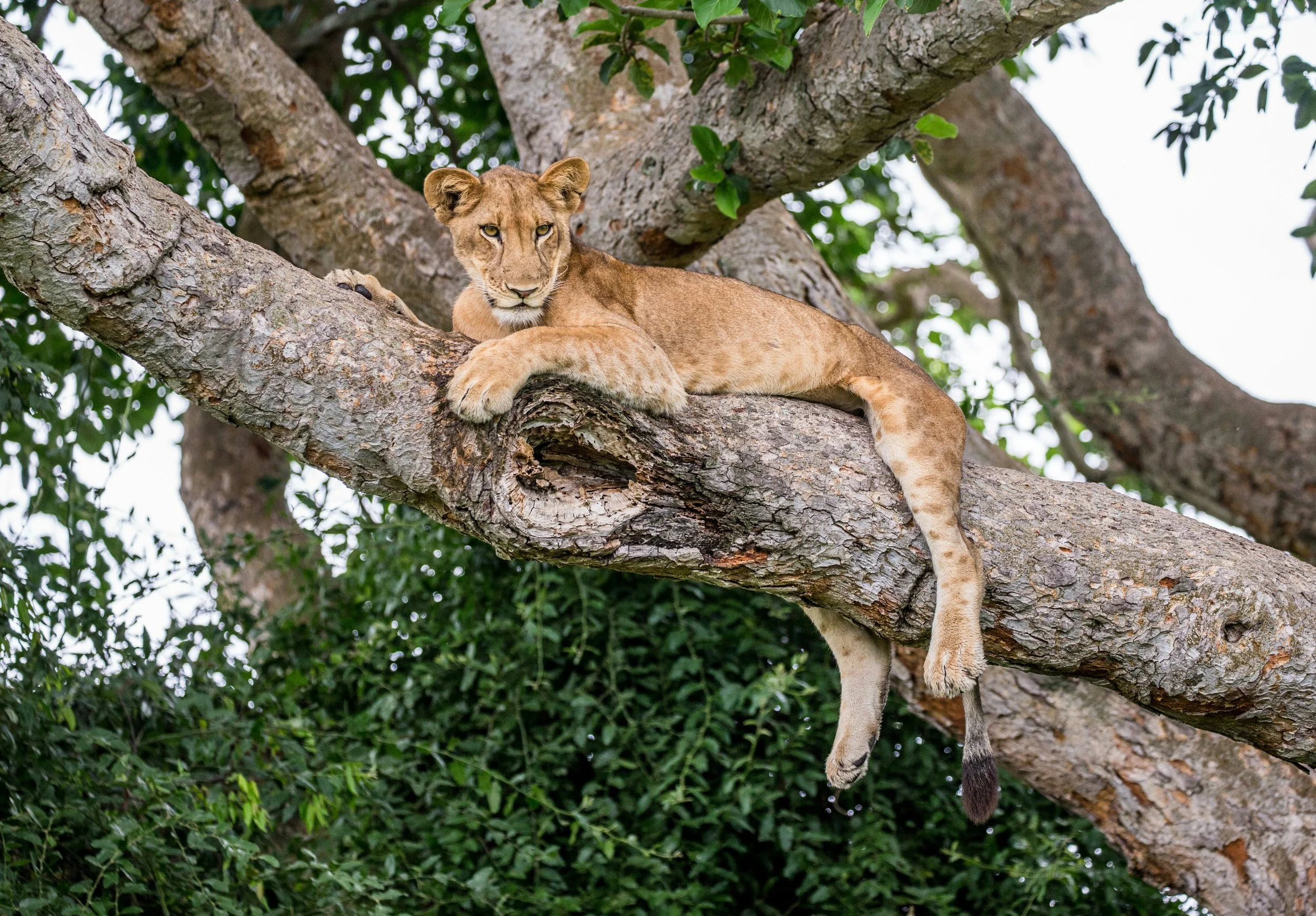
Kruger National Park is on a completely different scale to most wildlife reserves and is a lot bigger than most people expect.
The Kruger covers roughly 19,500 km², which is nearly 2 million hectares. It stretches around 360 km from north to south and reaches about 65 km across at its widest point — meaning you can drive for hours and still feel like you’ve barely scratched the surface.
But the real takeaway isn’t just the numbers — it’s how that space feels. Vast, open, and constantly changing. One moment you’re winding through riverine forest, the next you’re out on open plains… and that sense of scale is exactly what makes every game drive feel like a new discovery.
Where to Stay in Kruger National Park
Where you stay in Kruger National Park can shape your whole experience. The park offers a mix of main rest camps, bushveld camps, bush lodges and luxury lodges, so there’s something for every type of trip. The main rest camps (like Skukuza or Lower Sabie) are the most popular — they have shops, restaurants and fuel, making them ideal for first-time visitors and self-drive trips. They’re mostly found in the south, where access is easier and wildlife sightings tend to be more frequent.
If you’re after something quieter, the smaller bushveld camps offer a more peaceful and tucked-away feel, with fewer people and a stronger sense of being out in the wild. At the other end of the scale, luxury lodges — often in private reserves bordering the park — offer a more premium, all-inclusive experience with guided drives, higher levels of comfort, and a bit more structure to your days.
When is the best time to visit the kruger National park
There’s no “best” time to visit the Kruger, it depends on what you want from your bush holiday.
May to September (Dry Season):
Best for wildlife viewing. Thinner bush and fewer water sources make animals easier to spot.
October to April (Green Season):
Best for scenery, birdlife, and newborn animals. Lush, vibrant, but sightings can be trickier.
If it’s your first visit, the dry season gives you the best chances. If you want atmosphere and colour, the green season delivers.
The RUles Of The Kruger National Park
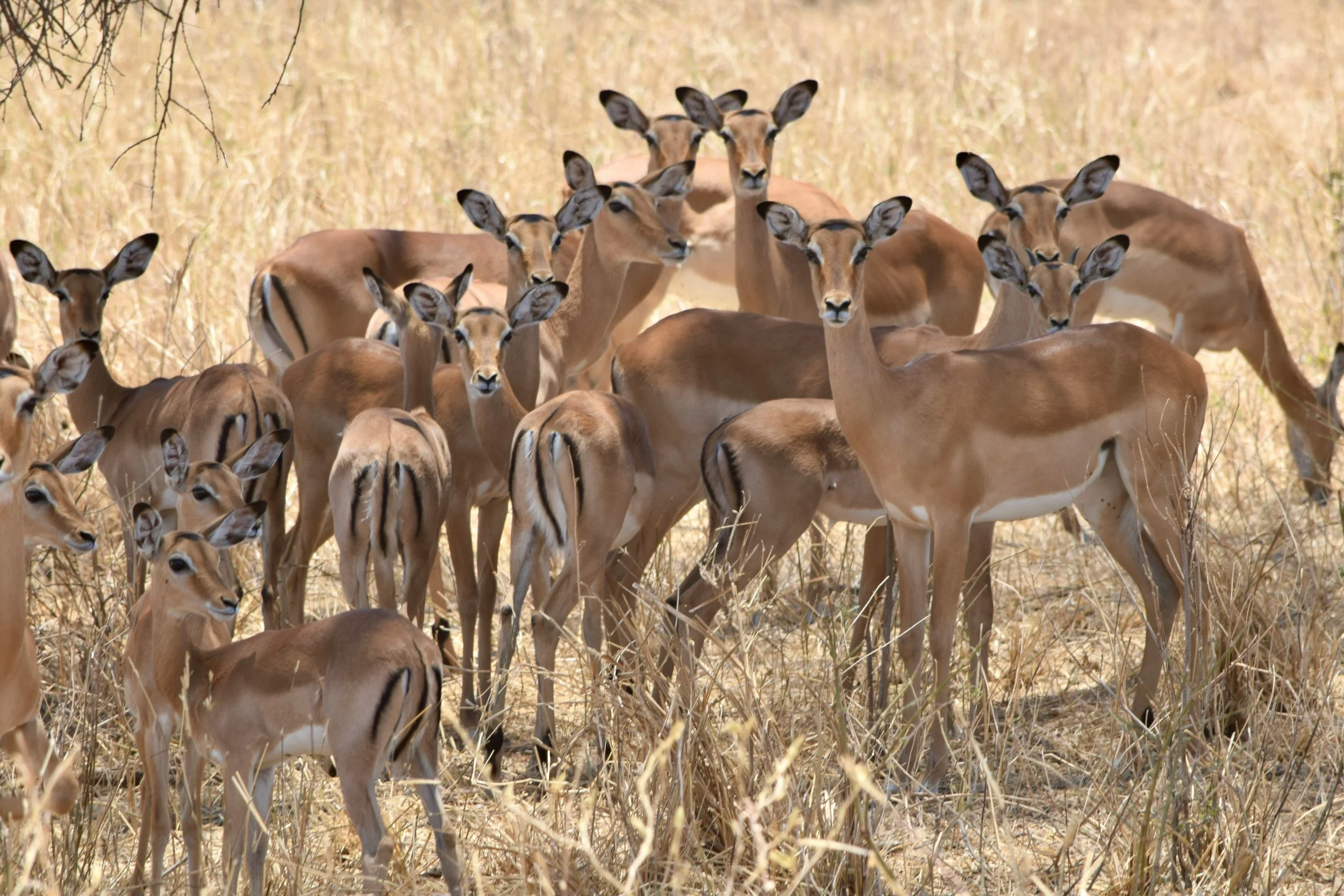
The Kruger is a vast, wild ecosystem where animals live on their terms. That means the rules aren’t just guidelines; they’re essential to protecting this balance, keeping both visitors and wildlife safe, and preserving what makes the experience so special in the first place.
You can find the full Kruger National Park rules here, but the key ones are simple:
Stay in your vehicle unless you’re in a designated area, stick to the speed limits, and always respect gate times. Never feed or disturb animals, don’t drive off-road, and remember: wildlife always has the right of way.
Follow them, and you’ll quickly realise the magic of Kruger comes when you slow down, stay patient, and let the bush reveal itself.
DOWNLOAD OUR KRUGER APP
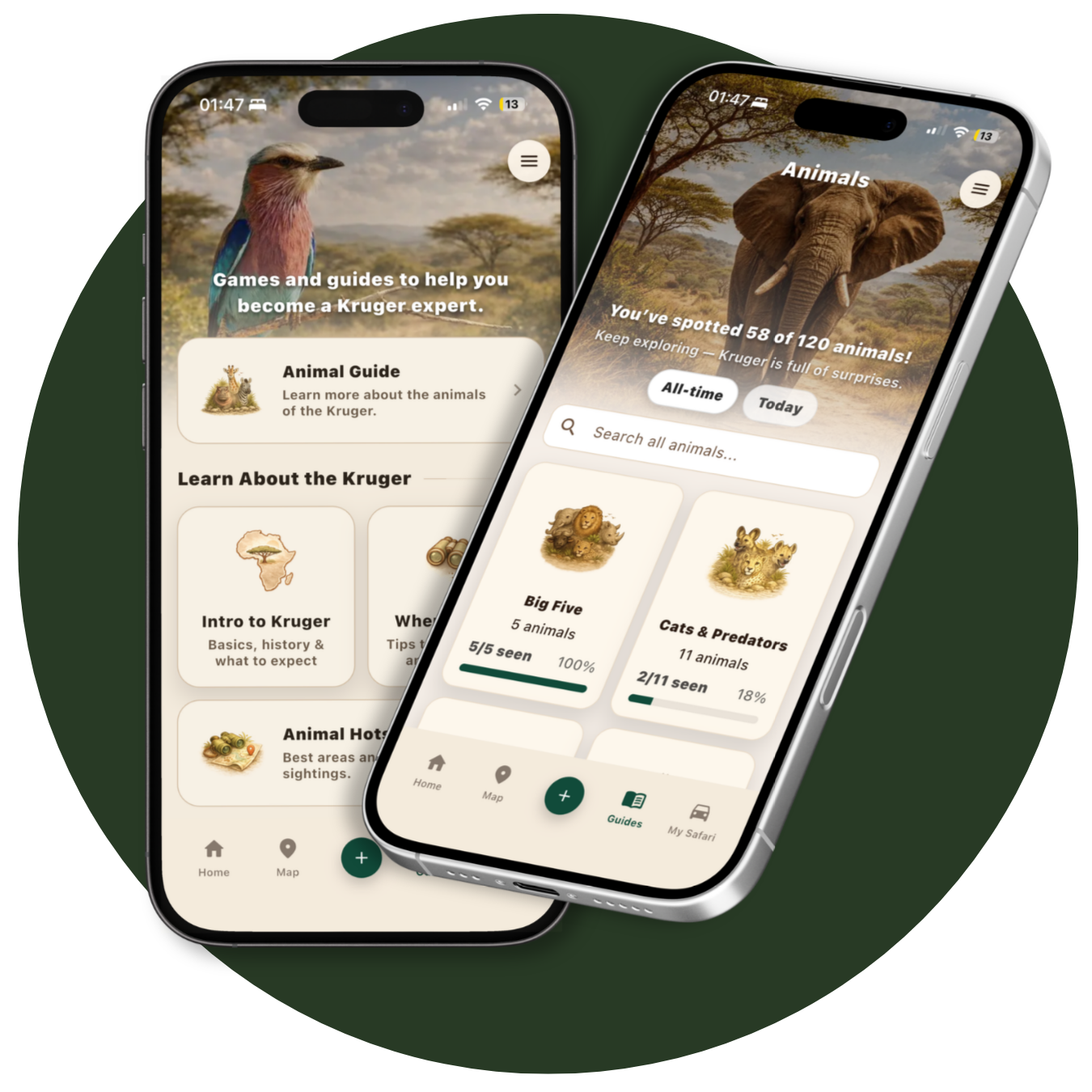
Plan smarter drives, track your sightings, and explore Kruger with more confidence using Safari Spotter. Built for first-time visitors, families, and self-drive safari lovers, the app helps you get more from every day in the park.
From offline access and spotting tips to badges, animal learning, and your own Safari Wrapped recap at the end of the trip, Safari Spotter turns your Kruger holiday into a more engaging and memorable experience.